1. Do not hose it down
The crew explains why water, vinegar and bleach are not the answer, and what the team will use instead.
Eagle Lake, WI · Racine County
What can you do after canisters or spray fill a room in Eagle Lake? Step outside, keep people and pets away and call (877) 812-4220 for professional tear gas clean up.
If anyone is in danger, call 911 first. For a suicide crisis, call or text 988.
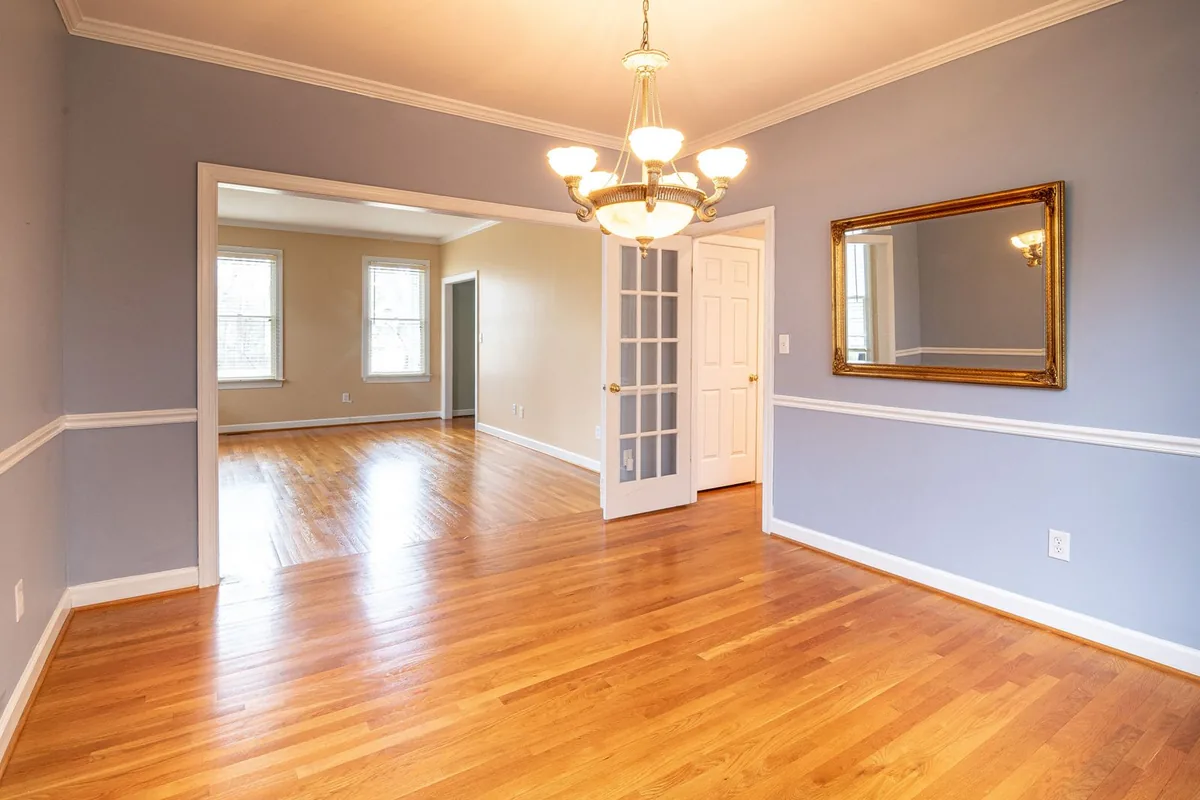
Tear gas removal is specialized because residue is hard to see and easy to spread. Crews wear protective gear, isolate the air system and clean from the cleanest area to the most affected one.
For irritant residue removal in Eagle Lake and nearby areas of Racine County, call Eagle Lake Biohazard Cleanup Help. You and the crew sort soft goods together, clean what can be saved and dispose of what cannot.
July highs near 81 degrees in Eagle Lake are milder, but heating and cooling systems still move residue through ducts. Only about 6% of homes in Racine County are vacant, and most occupied buildings need quick cleanup so people can return.
The work often covers:
The crew explains why water, vinegar and bleach are not the answer, and what the team will use instead.
Particles travel with air and settle on horizontal surfaces and fabrics. Crews check these spots first.
Vents and ducts are cleaned or isolated, and filters are replaced where needed.
A final inspection and a set of records finish the job, so tenants or staff can return.
Tear gas & pepper spray cleanup in Eagle Lake, WI typically costs $1,500 to $50,000, depending on the size of the affected area and the materials involved.
A business that must reopen quickly or a rental that must be turned over can require a different work plan and schedule.
| Type of job | Typical range |
|---|---|
| Small apartment | $1,500 - $4,000 |
| Single-family home | $3,000 - $10,000+ |
| Commercial property | $10,000 - $50,000+ |
Estimates only, not a quote. Sources: Tear gas cleanup cost guide. Price drivers include property size, air system involvement, materials affected, time since exposure. Call (877) 812-4220 to talk through the job.
If the heating or cooling system ran, it may have pulled irritant particles into vents and ducts and moved them to other rooms. Crews isolate and clean the system so residue does not spread again.
Get to fresh air, take others and pets with you, and keep everyone out of the space. Do not hose it down or mix cleaning products. If anyone has trouble breathing, call 911 or Poison Control.
Rules for hazardous residue vary by state, county and city. Waste may need special handling and cannot always go in the regular trash. Ask the local health department or fire department what applies.
No. Water can spread residue or make irritation worse, and runoff can carry it into floors, walls and vents. Leave the area and keep others out, then call a cleanup team.
Yes. Cleaners treat seats, carpet, headliners, vents and the cabin air path. Airing out alone often does not remove the residue, so burning may return when the vehicle heats up.
Follow first aid guidance and get medical help if symptoms continue. If anyone has trouble breathing, call 911. This page covers property cleanup, not treatment.
Careful removal of residue that fresh air alone cannot clear.
Call (877) 812-4220